
Brewery Layout Design Guide: How to Design an Efficient Craft Brewery Layout
Why Brewery Layout Design Is Important
A brewery is not just a room filled with tanks.
It is a complete production system where:
Materials move
Liquids flow
Workers operate equipment
Cleaning processes take place
Finished products are stored
A good layout improves:
Production Efficiency
The shorter the distance between processes, the easier daily operation becomes.
Safety
Proper space planning helps avoid:
Equipment collisions
Unsafe operation
Difficult maintenance access
Cleaning Efficiency
Breweries use large amounts of water and cleaning chemicals.
A good layout should consider:
Drainage
Cleaning routes
Equipment accessibility
Future Expansion
Many breweries grow faster than expected.
A professional layout should allow:
Additional fermentation tanks
More packaging equipment
Increased production capacity
Basic Brewery Production Flow
A typical brewery workflow is:
Raw Material Storage
↓
Milling Area
↓
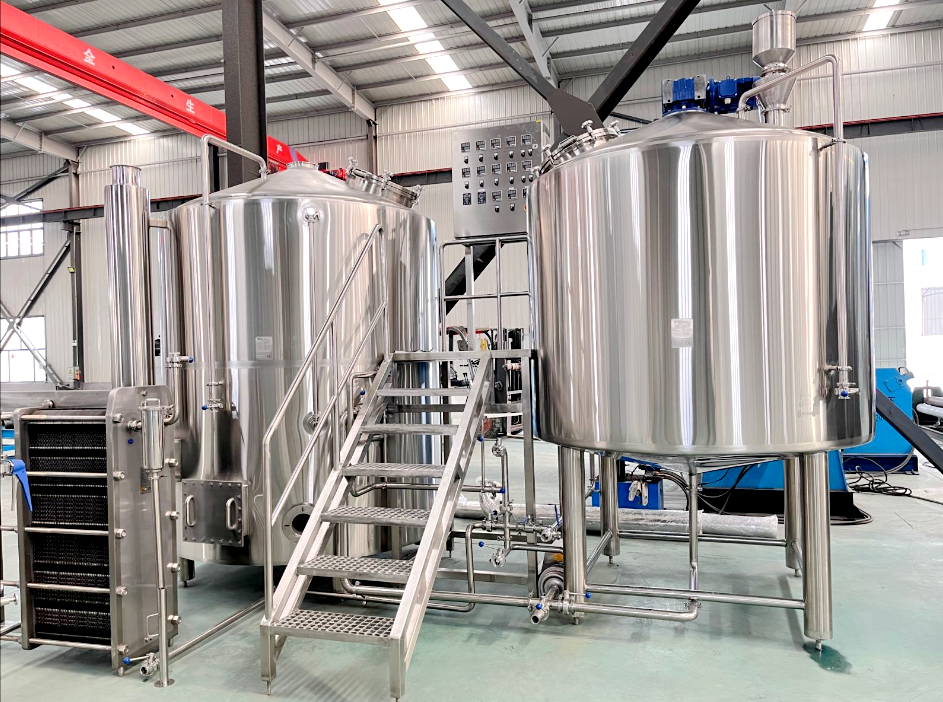
Brewhouse
↓
Fermentation Area
↓
Bright Beer Storage
↓
Packaging Area
↓
Finished Beer Storage
↓
Distribution
The goal of brewery layout design is to make this process as smooth as possible.
Main Areas in a Brewery Layout
A complete brewery normally includes several functional areas.
1. Brewing Area Layout
The brewing area contains:
Lauter tun
Pumps
Control system
The brewhouse should be positioned where:
Raw materials can be easily delivered
Pipes can connect efficiently
Operators have enough working space
Important considerations:
Equipment Distance
Avoid unnecessary movement between tanks.
Maintenance Space
Leave enough room for:
Valve operation
Cleaning
Equipment repair
2. Fermentation Area Layout
The fermentation area is usually one of the largest sections of a brewery.
It includes:
Fermentation tanks
Unitanks
Bright beer tanks
Layout considerations:
Tank Arrangement
Tanks should allow:
Easy operation
Cleaning access
Temperature control connection
Pipeline Planning
Cooling and beer pipelines should be designed carefully to reduce:
Pressure loss
Installation complexity
Maintenance difficulty
3. Packaging Area Layout
Packaging equipment should be positioned after fermentation.
Common equipment includes:
Keg filling machines
Bottle fillers
Can filling machines
The packaging area should have:
Enough operating space
Packaging material storage
Finished product handling area
4. Storage Area Planning
A brewery needs several storage areas.
Raw Material Storage
For:
Malt
Hops
Yeast
Chemicals
Requirements:
Dry environment
Easy access
Finished Beer Storage
For:
Kegs
Bottles
Cans
Consider:
Temperature control
Transportation access
How Much Space Does a Brewery Need?
The required space depends on:
Brewery size
Production capacity
Number of tanks
Packaging method
Typical considerations:
Small Craft Brewery
Suitable for:
300L–500L systems
Needs:
Brewing area
Fermentation area
Small storage space
Medium Brewery
Suitable for:
1000L–2000L systems
Needs:
Larger fermentation area
Packaging area
Raw material storage
Finished beer storage
Commercial Brewery
Suitable for:
3000L+
Needs:
Large production area
Warehouse
Distribution space
【1000L Brewery Equipment Guide: Complete Guide for Starting a Medium Craft Brewery】
Important Factors When Designing Brewery Layout
1. Floor Drainage
Drainage is one of the most important brewery construction factors.
A brewery requires:
Water cleaning
Tank washing
Equipment sanitation
A good drainage system prevents:
Water accumulation
Cleaning problems
Safety risks
2. Ceiling Height
Tank height must be considered before installation.
Check:
Fermentation tank height
Lifting equipment requirements
Maintenance space
3. Utility Planning
A brewery requires:
Electricity
For:
Motors
Pumps
Control systems
Water Supply
For:
Brewing
Cleaning
Cooling
Cooling System
For:
Fermentation temperature control
Beer storage
CO2 System
For:
Carbonation
Packaging
Brewery Layout Design Mistakes
Mistake 1: Designing Only for Current Production
Many breweries expand after success.
A layout without expansion space creates future problems.
Mistake 2: Ignoring Workflow
A poor workflow creates:
More labor movement
Longer production time
Lower efficiency
Mistake 3: Not Considering Equipment Installation
Large brewery tanks require:
Delivery routes
Door sizes
Lifting methods
These should be considered before construction.
How Brewery Equipment Manufacturer Helps With Layout Design
An experienced brewery equipment manufacturer should provide:
Equipment layout drawings
Production flow design
Utility requirements
Installation guidance
Professional suppliers understand:
Tank dimensions
Pipe connections
Operator requirements
Future expansion needs
【Brewery Equipment Guide: Complete Guide to Craft Brewery Equipment】
Brewery Layout Design for Future Expansion
A good brewery should not only solve today's needs.
It should support tomorrow's growth.
Expansion planning may include:
Additional Fermentation Tanks
The easiest production upgrade is often adding more fermenters.
Larger Packaging Capacity
Growing breweries may need:
Faster can filling
More keg capacity
Additional Production Lines
Large breweries may eventually add:
More brewhouses
Larger storage areas
FAQ About Brewery Layout Design
How do I design a brewery layout?
A brewery layout should be designed based on production capacity, equipment size, workflow, utilities, and future expansion plans.
How much space is needed for a brewery?
The required space depends on brewery size, number of tanks, packaging requirements, and storage needs.
What is the most important part of brewery layout design?
Production flow is one of the most important factors because it affects efficiency, labor cost, and daily operation.
Can brewery equipment layout be customized?
Yes. Professional brewery manufacturers can customize layouts according to:
Building dimensions
Production goals
Equipment configuration
Conclusion
A professional brewery layout is the foundation of efficient beer production.
The best brewery design should provide:
Smooth workflow
Easy operation
Efficient cleaning
Safe maintenance
Future expansion capability
Before purchasing equipment or renovating a building, brewery investors should complete professional layout planning.
Shandong LD Machinery CO., LTD provides complete brewery solutions including equipment design, layout planning, stainless steel brewery manufacturing, installation support, and technical consulting.
Whether you are building a small craft brewery or expanding a commercial beer production facility, a well-designed brewery layout can help reduce operating costs and support long-term growth.
PRODUCTS
Related recommendations
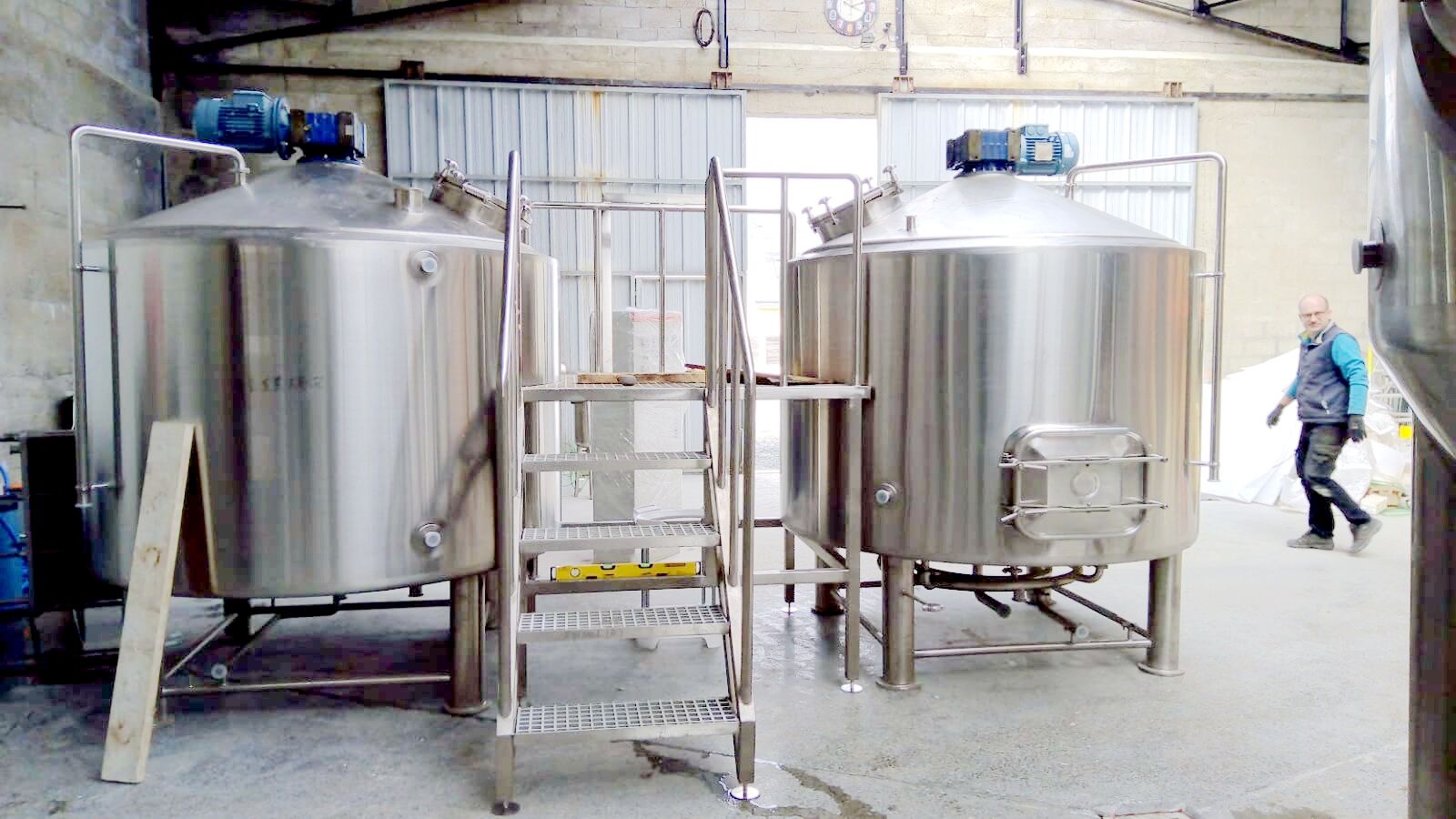
 2000L Craft Beer Brewery in FranceThis 2000L beer brewery is under assemble right now, will be finished soon.
It contains 2 vessels brewhouse, 2000L fermenter, and other necessary system.
Cooling system is stainless steel pipeline, which is assembled at our factory, you can assemble it easily.
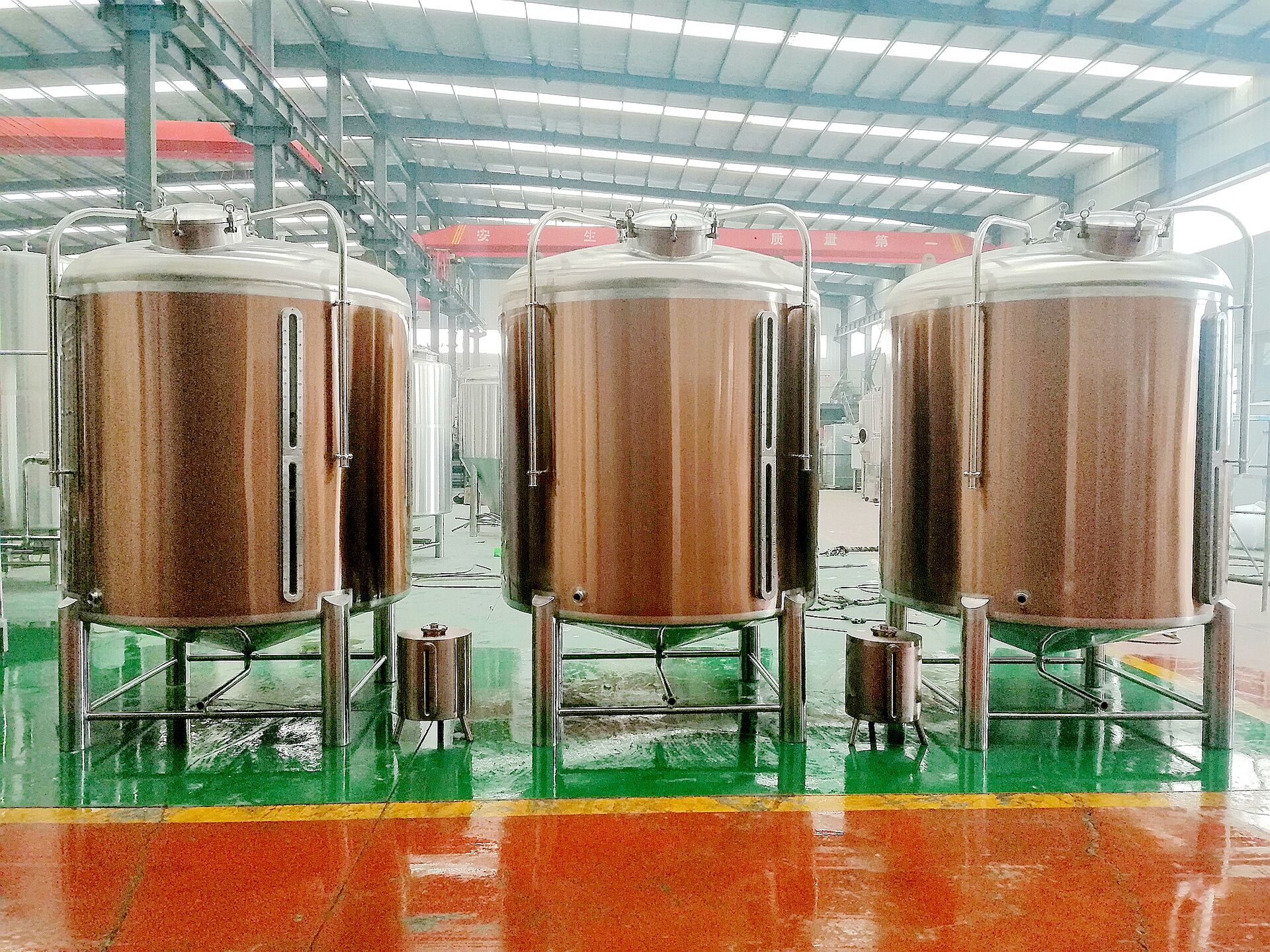
We write number on each pipe port, it is easy for you to assemble this brewery based on number, it is good during this COVID-19 period. 1000L Copper Bright Beer Tank in Ireland-These bright beer tanks (BBTs) were recently installed in Ireland as part of an expansion project for a 1000L craft beer brewery. In addition to serving as brite tanks for beer conditioning, they are also used as storage tanks for a distillery, offering dual functionality in both brewing and distilling operations.
-Each tank features a double-layer construction, with an inner layer made of SUS304 stainless steel for sanitary beer contact, and an outer layer clad in copper for a classic, eye-catching appearance. These copper-clad beer tanks combine both performance and aesthetics, making them a standout feature in the brewhouse.
-Not only are they practical, but these tanks also bring a touch of beauty to the brewery—as functional as they are visually striking. 1000L Brewery in FranceSuccessful 1000L Craft Beer Brewery Installed in France
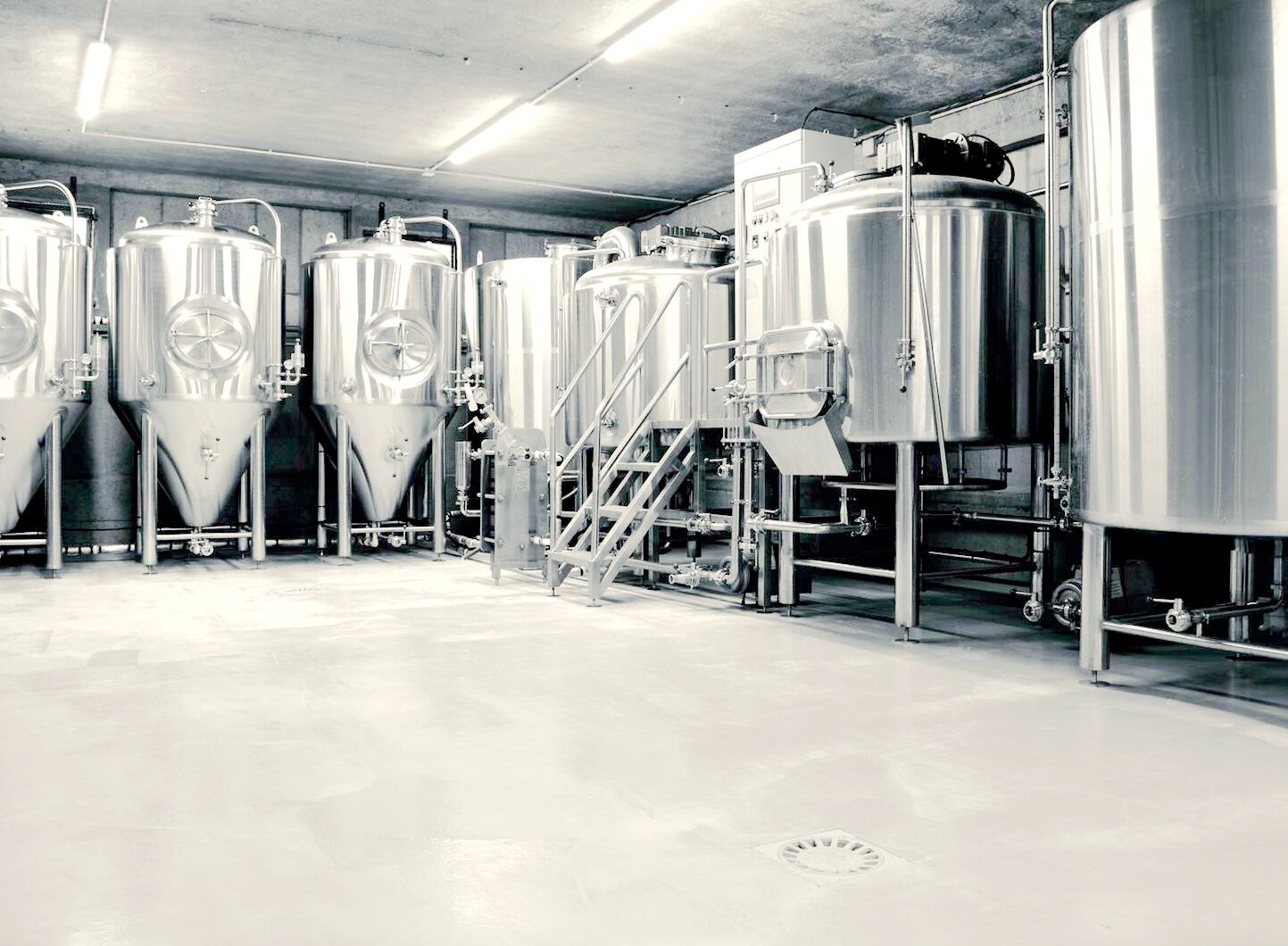
This 1000L beer brewery was successfully installed in France in 2020 as a turnkey craft beer brewing system. The initial setup included a 1000L brewhouse, four 1000L conical fermenters, along with a keg filling and washing machine—an efficient solution for small to mid-sized breweries.
Due to increasing demand and smooth operation, the brewery was expanded in 2021 with an additional eight 2000L fermentation tanks, significantly boosting production capacity.
Today, this craft beer brewery in France is running efficiently with LD brewing equipment and has become a profitable and growing business for its owner—showing how high-quality brewhouse and fermentation systems can help brewers scale up and succeed in the competitive craft beer market.
Please give us a message