
How to Start a Brewery: Complete Guide to Starting a Successful Craft Brewery
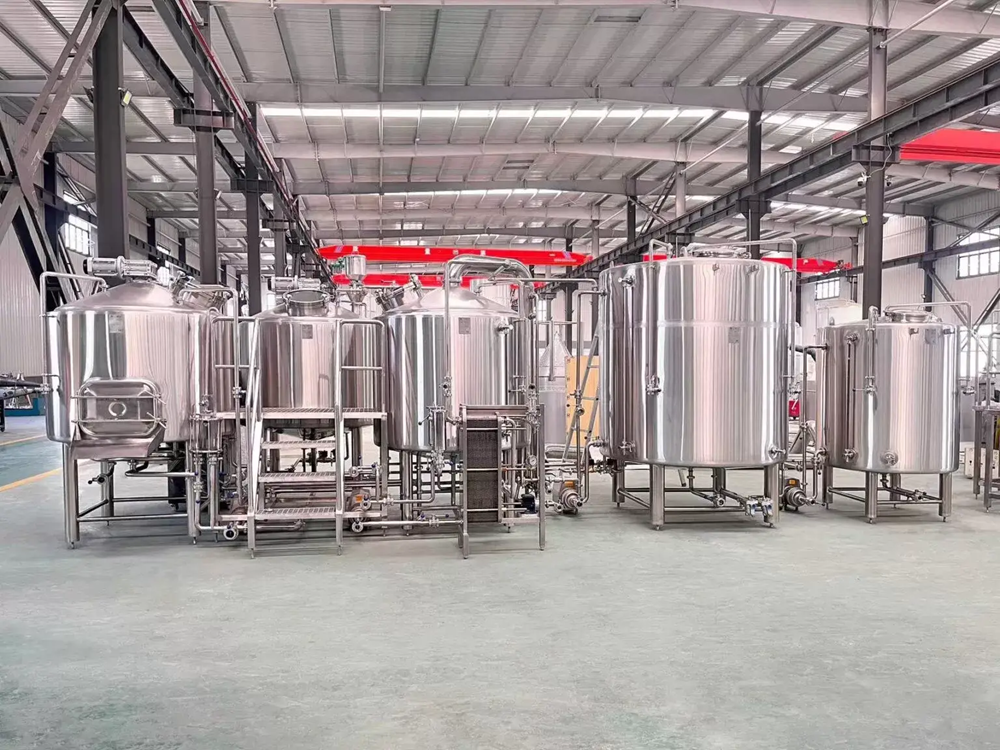
How to Start a Brewery Step by Step
1. Define Your Brewery Concept Before Buying Equipment
The first step to starting a brewery is not choosing equipment.
It is defining:
What type of beer will you produce?
Who are your customers?
How much beer do you plan to sell?
Will you operate a taproom, restaurant brewery, or production brewery?
What is your expected annual production?
Different brewery concepts require completely different equipment solutions.
For example:
A small brewpub may only need a 300L–500L brewing system.
A growing craft brewery may choose:
1000L brewery equipment
1500L brewery equipment
2000L brewery equipment
A commercial production brewery may require several 3000L or larger fermentation systems.
The correct equipment size should match your business model, not only your available budget.
2. Create a Brewery Business Plan
A brewery is a manufacturing business. Before investing, you should understand:
Market Research
Research:
Local beer consumption
Competitor breweries
Customer preferences
Beer pricing
Distribution channels
Production Planning
Estimate:
Monthly beer sales
Annual production volume
Number of brewing days per week
Fermentation capacity required
For example:
A 1000L brewhouse does not mean you only produce 1000L beer.
With proper fermentation tank planning, a 1000L system can produce much more beer annually.
Financial Planning
Your brewery investment usually includes:
Brewery equipment
Fermentation tanks
Cooling system
Water treatment
Electrical installation
Packaging equipment
Brewery building renovation
Raw materials
Labor cost
Marketing expenses
3. Calculate Brewery Startup Cost
One of the most common questions we receive is:
"How much money do I need to start a brewery?"
The answer depends mainly on:
Brewery production capacity
Equipment configuration
Building conditions
Packaging requirements
Automation level
A small craft brewery may start with a relatively simple setup.
A professional commercial brewery normally requires a larger investment.
Typical equipment investment examples:
Small Craft Brewery
Capacity:
300L–500L
Suitable for:
Brewpub
Restaurant brewery
Local craft beer production
Medium Craft Brewery
Capacity:
1000L–2000L
Suitable for:
Growing craft breweries
Regional beer brands
Distribution business
Commercial Brewery
Capacity:
3000L+
Suitable for:
Large-scale beer production
Wholesale distribution
4. Choose the Right Brewery Equipment
Choosing brewery equipment is one of the most important decisions.
A complete craft brewery system normally includes:
Brewhouse System
Including:
Lauter tun
The brewhouse determines your daily brewing efficiency.
Fermentation System
Including:
Fermentation tanks
Bright beer tanks
Fermentation capacity usually determines your actual production output.
Cooling System
Including:
Glycol chiller
Glycol tanks
Cooling pipelines
Stable temperature control is critical for beer quality.
Packaging Equipment
Depending on your business model:
Keg filling system
Bottle filling machine
Can filling machine
Modern craft breweries increasingly choose cans because they are easier for transportation and marketing.
5. Design Your Brewery Layout
A good brewery layout improves:
Production efficiency
Worker safety
Cleaning efficiency
Future expansion possibilities
The basic brewery workflow should follow:
Raw Materials Storage
↓
Brewing Area
↓
Fermentation Area
↓
Packaging Area
↓
Finished Beer Storage
↓
Distribution
Important layout considerations include:
Equipment Distance
Avoid unnecessary movement between tanks.
Drainage
Professional breweries require proper floor drainage.
Utilities
Plan:
Electricity
Water supply
Steam
CO2
Cooling pipelines
A poor layout can increase operating costs every day after opening.
6. Find a Reliable Brewery Equipment Manufacturer
Your equipment supplier is not only a manufacturer.
A professional supplier should help you with:
Brewery design
Equipment selection
Technical drawings
Installation guidance
Brewing process advice
After-sales support
When selecting a brewery equipment manufacturer, consider:
Manufacturing Experience
Check:
Previous projects
Customer countries
Factory capability
Equipment Quality
Important factors:
Stainless steel quality
Welding quality
Tank polishing
Pressure testing
Control system reliability
Technical Support
A good supplier should provide:
Installation manuals
Videos
Remote support
Engineer service if required
7. Install and Start Brewing
After equipment production, the next steps include:
Equipment Shipping
Professional suppliers should prepare:
Export packaging
Shipping documents
Installation instructions
Installation
Installation includes:
Tank positioning
Pipe connection
Electrical connection
Cooling system connection
Commissioning
Before production:
Test all equipment
Check temperature control
Test pumps
Test valves
Run trial brewing
The first successful batch is the beginning of your brewery business.
How Much Space Do You Need to Start a Brewery?
The required space depends on brewery size.
Approximate examples:
500L Brewery
Usually requires:
30–50 square meters depending on configuration.
1000L Brewery
Usually requires:
50–70 square meters for production, storage, and packaging.
2000L Brewery
Usually requires:
100-200 square meters depending on production goals.
The final layout should consider future expansion.
What Brewery Equipment Do Beginners Usually Choose?
For many new craft brewery investors, the most popular choices are:
1000L Brewery System
Good balance between:
Investment
Production capacity
Expansion possibility
2000L Brewery System
Suitable for entrepreneurs who want:
Regional distribution
Higher production volume
Long-term growth
Common Mistakes When Starting a Brewery
Mistake 1: Buying Equipment Without Planning Sales
More equipment does not always mean more profit.
Your production capacity should match market demand.
Mistake 2: Ignoring Future Expansion
Many breweries outgrow their first system quickly.
A good design should allow:
Additional fermentation tanks
Larger packaging capacity
More production lines
Mistake 3: Choosing Equipment Only by Price
The cheapest equipment may create:
Higher maintenance costs
Lower efficiency
Production problems
The right supplier should provide value, not only low prices.
FAQ About Starting a Brewery
How much does it cost to start a brewery?
The cost depends on brewery size, equipment configuration, building renovation, and business model. A small craft brewery requires less investment, while a commercial brewery requires significantly more.
What equipment do I need to start a brewery?
A basic brewery requires:
Brewhouse
Fermentation tanks
Cooling system
Pumps
CIP system
Control system
Packaging equipment
What is the best brewery size for beginners?
For many new craft breweries, 1000L–2000L systems provide a good balance between investment and production capability.
How long does it take to build a brewery?
A typical brewery project may take several months from design, manufacturing, shipping, installation, and commissioning.
Conclusion
Starting a brewery requires more than passion for beer.
A successful brewery needs:
A clear business plan
Correct production capacity
Reliable brewery equipment
Efficient layout design
Professional technical support
Choosing the right brewery equipment manufacturer can reduce risks and help you build a brewery that can grow in the future.
Shandong LD Machinery CO., LTD provides complete craft brewery solutions from brewery design, equipment manufacturing, installation support, and technical consulting.
Whether you are planning a 1000L brewery, 2000L brewery, or a complete commercial brewing project, our team can help you choose the right solution for your business.
PRODUCTS
Related recommendations
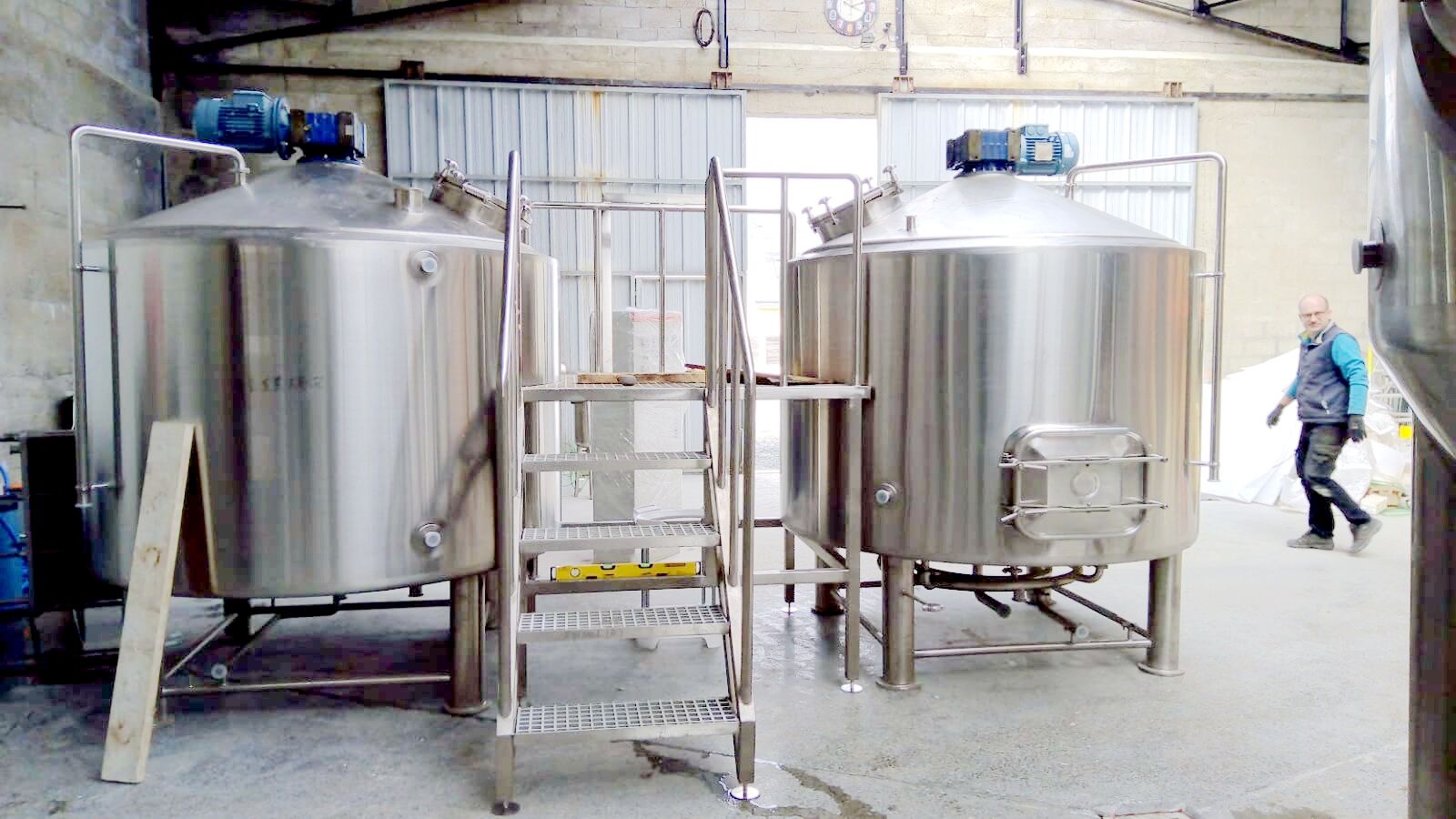
 2000L Craft Beer Brewery in FranceThis 2000L beer brewery is under assemble right now, will be finished soon.
It contains 2 vessels brewhouse, 2000L fermenter, and other necessary system.
Cooling system is stainless steel pipeline, which is assembled at our factory, you can assemble it easily.
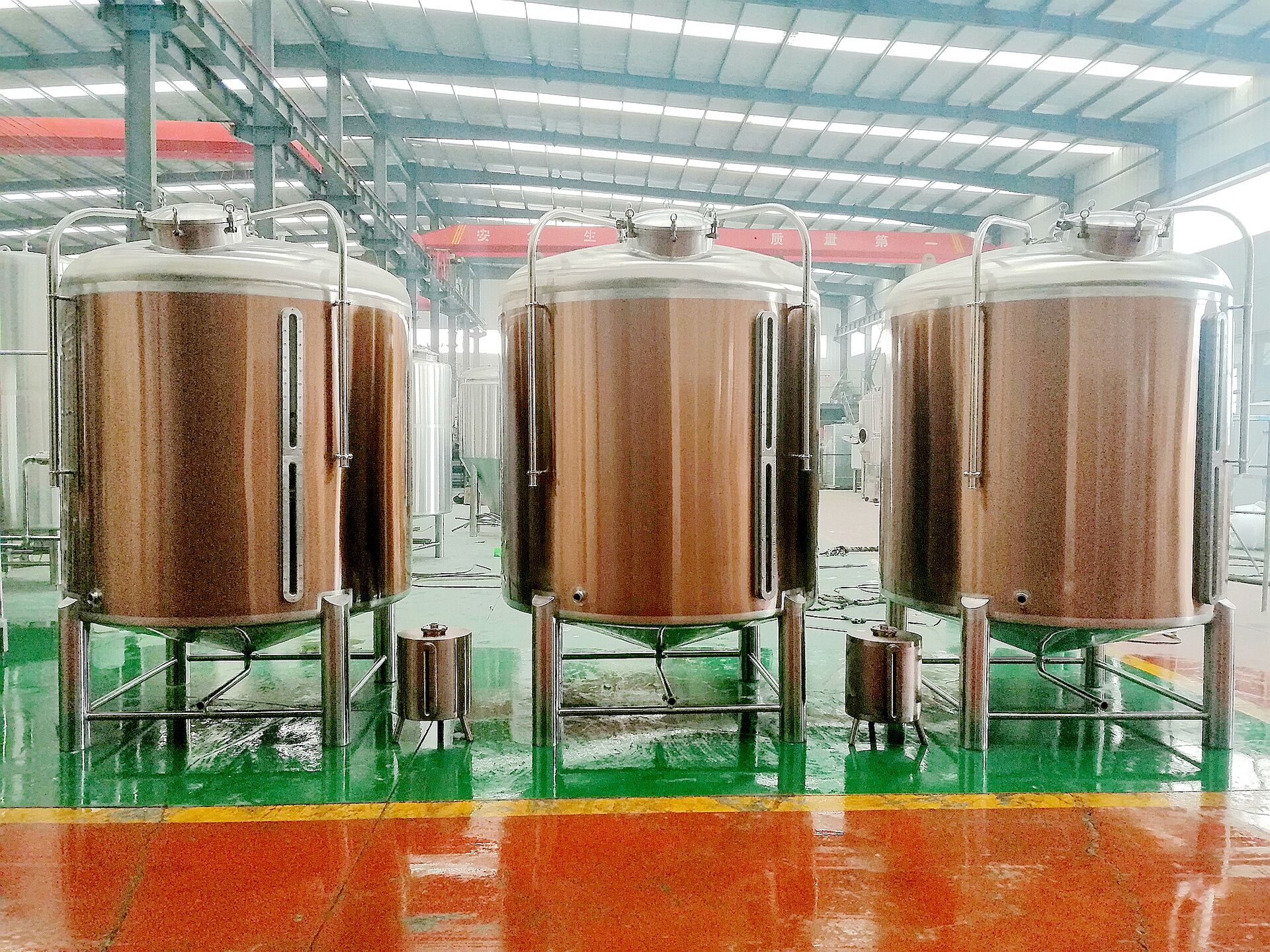
We write number on each pipe port, it is easy for you to assemble this brewery based on number, it is good during this COVID-19 period. 1000L Copper Bright Beer Tank in Ireland-These bright beer tanks (BBTs) were recently installed in Ireland as part of an expansion project for a 1000L craft beer brewery. In addition to serving as brite tanks for beer conditioning, they are also used as storage tanks for a distillery, offering dual functionality in both brewing and distilling operations.
-Each tank features a double-layer construction, with an inner layer made of SUS304 stainless steel for sanitary beer contact, and an outer layer clad in copper for a classic, eye-catching appearance. These copper-clad beer tanks combine both performance and aesthetics, making them a standout feature in the brewhouse.
-Not only are they practical, but these tanks also bring a touch of beauty to the brewery—as functional as they are visually striking. 1000L Brewery in FranceSuccessful 1000L Craft Beer Brewery Installed in France
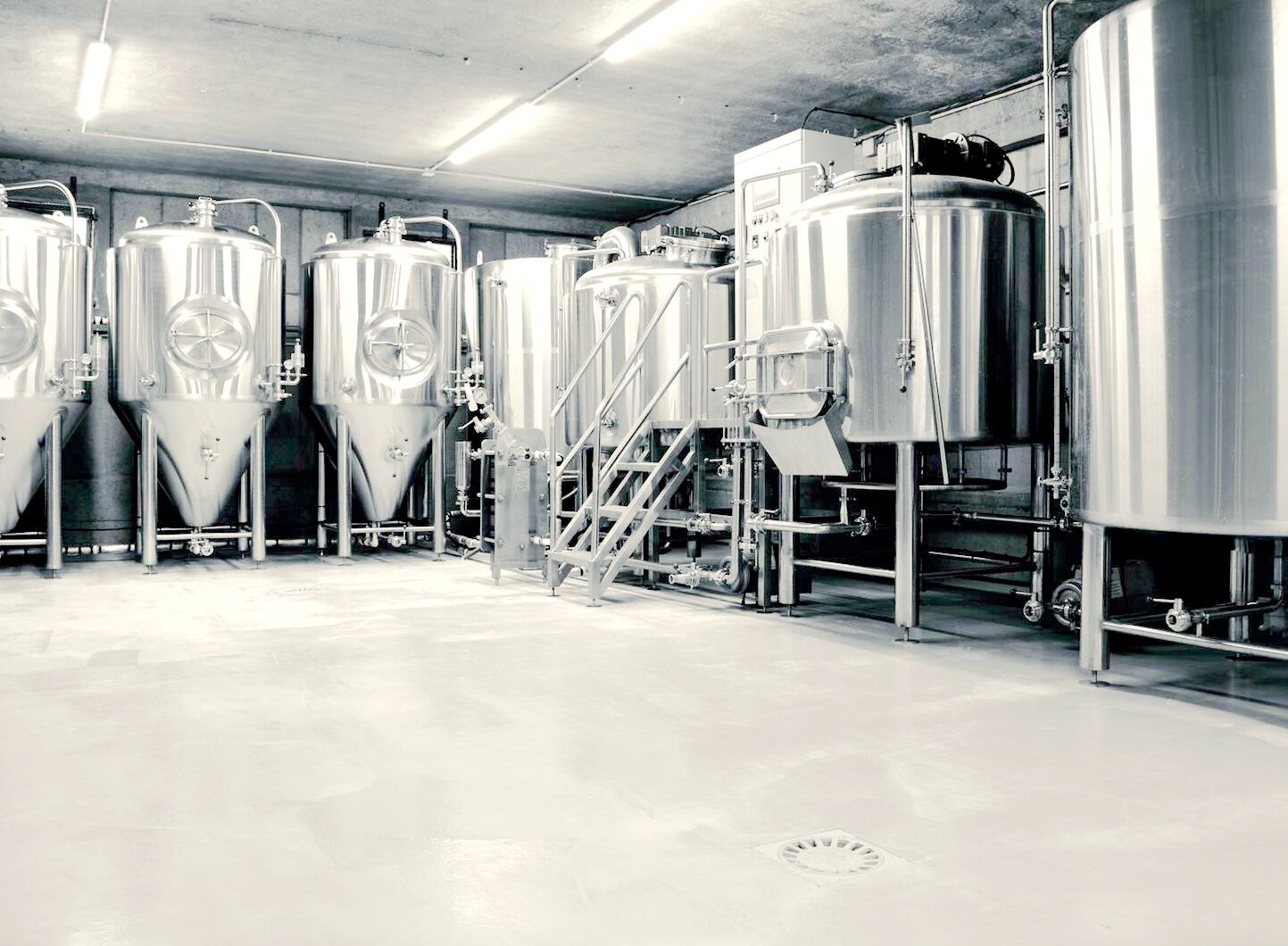
This 1000L beer brewery was successfully installed in France in 2020 as a turnkey craft beer brewing system. The initial setup included a 1000L brewhouse, four 1000L conical fermenters, along with a keg filling and washing machine—an efficient solution for small to mid-sized breweries.
Due to increasing demand and smooth operation, the brewery was expanded in 2021 with an additional eight 2000L fermentation tanks, significantly boosting production capacity.
Today, this craft beer brewery in France is running efficiently with LD brewing equipment and has become a profitable and growing business for its owner—showing how high-quality brewhouse and fermentation systems can help brewers scale up and succeed in the competitive craft beer market.
Please give us a message